
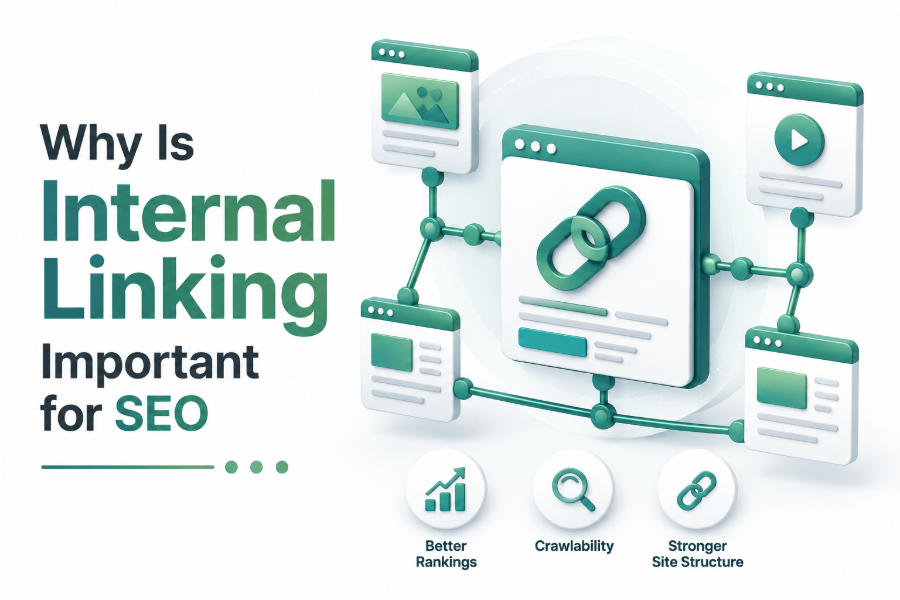
A website is not just a collection of individual pages. Every page works together to create a connected experience for users and search engines. Internal linking creates relationships between different pages, helping visitors find useful information while allowing search engines to understand website structure more effectively.
Many website owners focus heavily on external backlinks, keywords, and technical improvements but overlook the value of internal links. However, a strong internal linking strategy can improve content visibility, distribute authority across pages, and guide users toward important sections of a website.
Internal links are simple to create, but their impact can be significant. When used correctly, they help search engines crawl websites more efficiently and allow users to navigate through related content naturally. This makes internal linking an essential part of a successful SEO strategy.
The Role of Internal Linking in Website Structure
Internal linking connects one page of a website to another page on the same domain. These links create a clear structure that helps search engines understand how different pieces of content relate to each other.
A well-organized website structure allows search engines to find important pages faster. When a page receives internal links from other relevant pages, it signals that the content has value and deserves attention.
For users, internal links create a smoother browsing experience. Instead of leaving after reading one article, visitors can continue exploring related topics, increasing engagement and time spent on the website.
Internal linking helps websites by:
- Creating better navigation paths
- Helping search engines discover pages
- Connecting related content topics
- Improving overall website organization
How Internal Links Help Search Engines Crawl Websites
Search engines use crawlers to discover and analyze web pages. Internal links provide pathways that allow these crawlers to move from one page to another and understand the overall content structure.
When important pages have internal links pointing toward them, search engines can identify their importance within the website. Pages that are isolated without links may receive less attention because crawlers have fewer ways to find them.
A strong internal linking system ensures that valuable content does not remain hidden. It creates a logical connection between different pages and improves the chances of important pages being indexed properly.
Website owners can improve crawling by:
- Linking new content with existing relevant pages
- Avoiding isolated pages without internal links
- Creating clear navigation structures
- Using descriptive anchor text
Internal Linking Improves User Experience and Engagement
SEO is not only about search engines; it is also about creating better experiences for visitors. Internal links help users find additional information that matches their interests and needs.
For example, someone reading an article about SEO basics may benefit from a link to a detailed guide about keyword research or website optimization. These connections provide extra value without forcing users to search manually.
When visitors spend more time exploring a website, it can send positive engagement signals. A better user experience can support stronger SEO performance because search engines prioritize websites that satisfy user needs.
Internal linking improves user experience through:
- Easier content discovery
- Faster access to related information
- Reduced bounce rates
- Increased visitor engagement
Internal Links Distribute SEO Authority Across Pages
Every webpage has a certain level of authority based on factors such as backlinks, content quality, and user engagement. Internal links help distribute some of this value throughout a website.
When a high-authority page links to another relevant page, it can help strengthen the linked page’s importance. This process allows websites to support important pages that may not naturally receive many external backlinks.
Strategic internal linking ensures that valuable SEO signals are not limited to only a few pages. Instead, authority can flow throughout the website and improve overall performance.
A proper authority distribution strategy includes:
- Linking strong pages to important service pages
- Supporting new content with existing authority
- Connecting related articles together
- Prioritizing valuable pages
Anchor Text Helps Search Engines Understand Content
Anchor text is the clickable text used in an internal link. It provides context about the page being linked and helps search engines understand the relationship between content topics.
Using descriptive anchor text is more effective than generic phrases like “click here” or “read more.” Clear anchor text tells users and search engines what information they can expect after clicking the link.
However, anchor text should always appear naturally within the content. Overusing exact-match keywords can create an unnatural experience and may reduce content quality.
Effective anchor text practices include:
- Using descriptive phrases
- Keeping links relevant to surrounding content
- Avoiding repetitive keyword usage
- Creating natural connections between pages
Internal Linking Supports Better Keyword Rankings
Internal links can support keyword rankings by helping search engines understand which pages are important for specific topics. When relevant pages link to each other, they create stronger topical relationships.
For example, a website publishing multiple articles about digital marketing can connect related content through internal links. This helps search engines recognize the website as a useful resource within that subject area.
Internal linking alone does not guarantee rankings, but it strengthens other SEO efforts by improving content organization and relevance.
You can combine internal linking with broader SEO optimization strategies to improve website visibility and organic performance.
Internal Linking Helps Build Topic Authority
Search engines increasingly focus on understanding websites as complete resources rather than ranking isolated pages. Internal linking helps create content clusters where related pages support each other.
A content cluster connects a main topic page with supporting articles. This structure demonstrates expertise and provides users with comprehensive information about a subject.
For example, a website about SEO might have a main SEO guide connected with articles about technical SEO, local SEO, keyword research, and link building. This organized structure improves content relationships.
Topic authority improves through:
- Connected content groups
- Comprehensive information coverage
- Logical page relationships
- Consistent internal connections
Internal Links Increase the Visibility of Older Content
Many websites create new articles regularly but forget about older valuable content. Internal linking provides a way to bring attention back to existing pages that still provide useful information.
Adding links from newer articles to older relevant content can increase traffic opportunities and help search engines recognize those pages again.
Refreshing old content with new internal links is an effective way to improve website performance without creating completely new pages.
Older content can gain visibility through:
- New article connections
- Updated resource links
- Content refresh strategies
- Related topic references
The Connection Between Internal Linking and Conversion Growth
Internal links are not only useful for SEO; they can also support business goals. Strategic links can guide visitors toward important pages such as service pages, product pages, contact forms, or conversion-focused content.
A visitor who reads an informative blog post may not immediately become a customer. However, a relevant internal link can guide them toward the next step in their journey.
When internal links are planned with user intent in mind, they help create smoother paths from information discovery to action.
Conversion-focused internal linking includes:
- Linking blogs to relevant services
- Guiding visitors toward useful resources
- Connecting informational pages with commercial pages
- Improving customer journeys
Common Internal Linking Mistakes to Avoid
Although internal linking is simple, many websites make mistakes that reduce its effectiveness. Too many unnecessary links, irrelevant connections, or poor anchor text choices can create confusion for users and search engines.
One common mistake is adding links only for SEO purposes instead of improving user experience. Every internal link should provide value and support the reader’s journey.
A successful internal linking strategy focuses on quality rather than quantity. Relevant and useful links create better results than excessive linking throughout every page.
Common mistakes include:
- Adding irrelevant internal links
- Using the same anchor text repeatedly
- Creating too many links on one page
- Ignoring important pages
Best Practices for Creating an Effective Internal Linking Strategy
A successful internal linking strategy requires planning and consistency. Website owners should regularly review their content and identify opportunities to connect related pages.
The first step is understanding website goals. Important pages that generate traffic, leads, or sales should receive appropriate internal links from relevant content.
Regular audits can reveal broken links, missing connections, and opportunities to improve website structure.
Effective internal linking practices include:
- Creating links between related topics
- Prioritizing important pages
- Reviewing links regularly
- Maintaining natural placement
How to Find Internal Linking Opportunities
Finding internal linking opportunities does not require complicated tools. Website owners can manually review existing content and identify pages that naturally connect with each other.
Search operators, SEO tools, and website audits can also help locate relevant pages that need additional internal links.
When publishing new content, it is important to immediately connect it with existing articles. This creates stronger relationships from the beginning.
Useful methods include:
- Reviewing related blog posts
- Checking high-performing pages
- Finding pages with strong authority
- Updating older articles
The Importance of Internal Linking for Large Websites
Large websites often contain hundreds or thousands of pages, making internal linking even more important. Without proper organization, valuable pages may become difficult for users and search engines to find.
Ecommerce websites, news platforms, and content-heavy websites especially benefit from structured internal linking systems. Proper connections help organize large amounts of information.
A scalable internal linking strategy allows large websites to maintain better navigation and search visibility as they continue growing.
Large websites should focus on:
- Category-based linking
- Content organization
- Navigation improvements
- Regular technical audits
Measuring Internal Linking Performance
Tracking internal linking performance helps website owners understand whether their strategy is working. Analytics data can reveal how visitors move between pages and which links generate engagement.
SEO tools can also show internal link distribution, important pages, and potential issues. Regular monitoring allows businesses to make improvements based on real data.
A successful internal linking strategy should support both search visibility and user satisfaction.
Important measurements include:
- Page visits from internal links
- User engagement rates
- Indexed pages
- Ranking improvements
Conclusion
Internal linking is an important part of modern SEO because it improves website structure, supports search engine crawling, distributes authority, and creates better user experiences. A well-planned internal linking strategy helps connect valuable content, strengthen page relationships, and guide visitors toward useful information. The reason why is internal linking important for SEO is that it creates a stronger foundation for organic growth while helping both users and search engines navigate a website more effectively.
FAQ’S
What is internal linking in SEO?
Internal linking refers to links that connect pages within the same website. These links help users navigate content and help search engines understand website structure, page relationships, and important areas of a website.
How many internal links should a page have?
There is no fixed number of internal links required for every page. The ideal amount depends on content length and relevance. Links should be added naturally whenever they provide value to readers.
Can internal links improve rankings?
Yes, internal links can support rankings by improving crawling, distributing authority, and helping search engines understand content relationships. However, they work best as part of a complete SEO strategy.
Should every page have internal links?
Most important pages should have internal links pointing to and from relevant content. Pages without internal connections may become harder for users and search engines to discover.
What makes a good internal link?
A good internal link is relevant, naturally placed, and uses descriptive anchor text. It should help users find additional valuable information while creating a clear connection between related website pages.
0 Comments